Jakarta's Global Ambition: Beyond Skyscrapers, the Real Battle Lies in Infrastructure and Human Capital
 Budi Santoso
Tim kurasi konten viral yang menyeleksi berita paling relevan untuk pembaca.
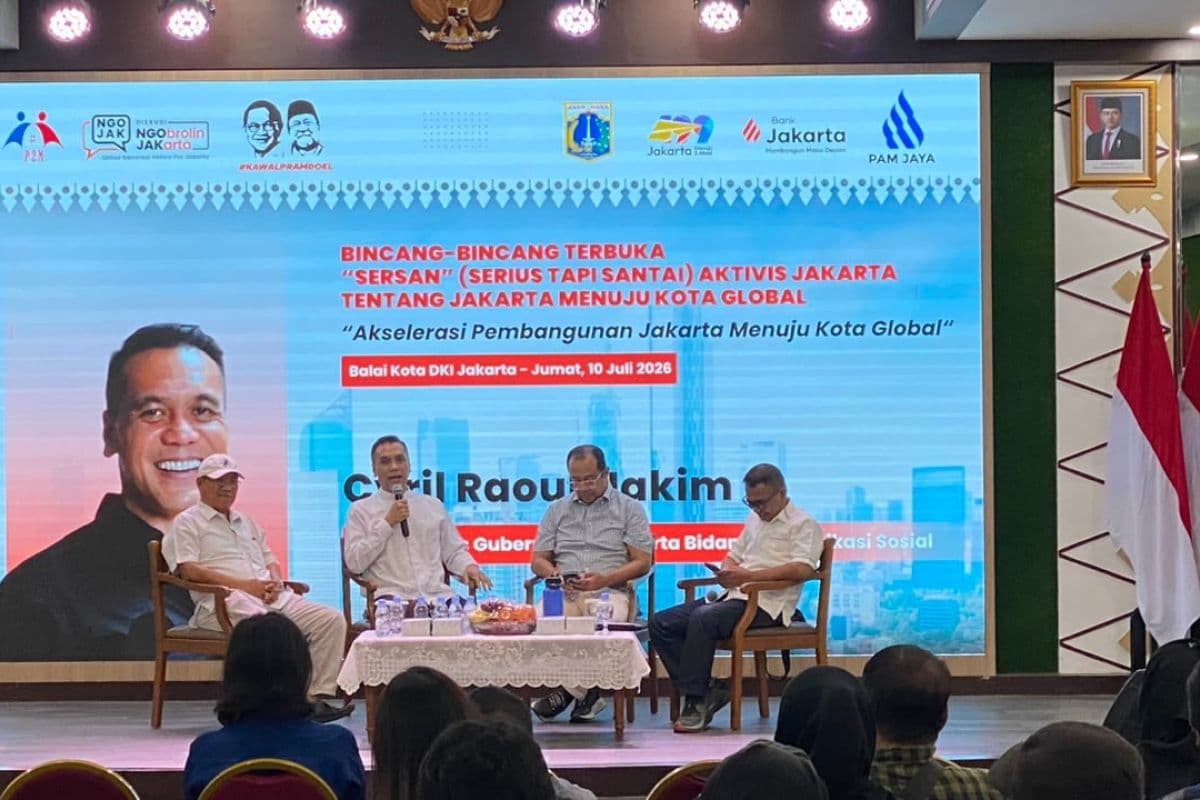
Jakarta (ANTARA) - The vision of transforming Jakarta into a global city by 2030 faces a stark reality check. While towering skyscrapers and modern infrastructure dominate the skyline, experts argue that true global competitiveness demands a holistic approach that prioritizes basic services, environmental sustainability, and human capital development.
Ketua Koalisi Rakyat Pemerhati Jakarta Baru (KATAR), Sugiyanto, emphasized during a recent forum that accelerating Jakarta's transformation requires more than physical projects. 'Improving access to clean water, sanitation, transportation, innovation, and human resources is critical to breaking into the top 50 global cities,' he stated. His remarks came during a discussion titled 'Akselerasi Pembangunan Jakarta Menuju Kota Global,' organized by the Forum Lintas Aktivis Jakarta.
The legal foundation for Jakarta's global city status is anchored in Undang-Undang Nomor 2 Tahun 2024, which designates the capital as both a national economic hub and a global metropolis. This vision aligns with the Rencana Pembangunan Jangka Panjang Nasional (RPJPN) targeting Indonesia Emas 2045. However, Jakarta currently ranks 71st in global city indices, underscoring the urgency of addressing systemic gaps.
Key priorities include achieving 100% clean water access by 2029, as outlined in the RPJMD DKI Jakarta 2025–2029. Environmental measures such as emission control, waste-to-energy management, and technological innovation are equally vital. Staf Khusus Gubernur DKI Jakarta Chico Hakim stressed that human resource development must be the cornerstone, citing expanded access to education through Kartu Jakarta Pintar (KJP) and Kartu Jakarta Mahasiswa Unggul (KJMU) programs.
Direktur Utama PT PAM Jaya, Arief Nasrudin, highlighted progress in clean water coverage, which now reaches 82%—equivalent to 1.2 million household connections serving nearly 9 million residents. He credited the provincial government's regulatory support and streamlined permitting processes for this achievement. Yet, the gap between current performance and the 100% target remains a challenge.
Analisis Mendalam
Jakarta's pursuit of global city status is a double-edged sword. While the ambition is laudable, the disconnect between policy rhetoric and grassroots implementation raises questions about feasibility. The 71st global ranking reflects not just infrastructure deficits but also deeper issues: inequality, bureaucratic inefficiencies, and a lack of inclusive governance. For instance, the 18% gap in clean water access disproportionately affects marginalized communities, highlighting how urban development often sidelines the urban poor.
The emphasis on human capital is a step in the right direction, but education alone cannot bridge the divide. Jakarta's workforce needs not just access to schooling but also skills aligned with global industry demands. The city's tech and innovation sectors, while growing, still lag behind regional peers like Singapore and Bangkok. Without strategic partnerships with global institutions and a robust startup ecosystem, Jakarta risks becoming a 'global city' in name only.
Environmental sustainability is another critical frontier. The waste-to-energy initiative and emission control measures are promising, but Jakarta's air quality remains among the worst in Southeast Asia. The city's carbon footprint and traffic congestion—among the world's highest—pose existential threats to its global aspirations. A genuine transformation would require bold policies, such as congestion pricing or a complete overhaul of public transportation, which have yet to materialize.
Finally, the collaborative framework proposed by Sugiyanto is essential but untested. Jakarta's history of fragmented governance and competing interests among stakeholders suggests that achieving consensus will be an uphill battle. The success of this vision hinges on whether the government can enforce accountability, ensure transparency, and foster genuine participation from civil society. Without these, Jakarta's global city dream may remain a mirage, overshadowed by the very inequalities it seeks to overcome.
BERITA TERKAIT

Taylor Swift Bayar Rp2,9 Miliar untuk Izin Pernikahan di New York: Apa Sebenarnya yang Tersembunyi?
 Rio Dewanto
Kebakaran 7 Hektar di Rokan Hilir: Balai Dalkarhut Tanggap, Namun Infrastruktur dan Kebijakan Membatasi Penanggulangan
 Budi Santoso
Gegeral! Jorge Jesus Resmi Pimpin Timnas Portugal – Era Kemenangan Dimulai!
 Eka Saputra